
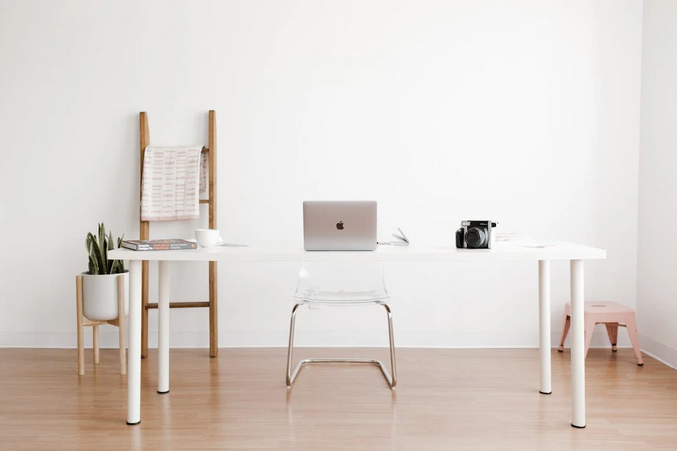
Working from home has become a normal part of life for many people, whether full-time or just a few days a week. But not all home offices are created equal. A well-designed workspace can make a huge difference in how productive, focused, and comfortable you feel throughout the day. The goal isn’t to create a fancy or expensive office—it’s to build a space that supports your work habits and keeps distractions to a minimum. With thoughtful design choices, even a small corner of your home can become a workspace that helps you stay motivated and comfortable.
Choose the Right Location for Your Workspace
The first step in designing a productive home office is selecting the right spot in your home. Ideally, your workspace should be in a quiet area where interruptions are minimal. If you have the option of using a separate room, that’s great, but many people successfully work from a small nook, spare bedroom, or even a well-organized corner of the living room. The key is creating a clear boundary between work and relaxation. Some professionals who occasionally work remotely also compare their home setup with professional spaces like offices to rent in bryanston to understand how layout and privacy can influence productivity and focus.
Invest in Comfortable and Supportive Furniture
Comfort plays a major role in how long you can work efficiently without feeling tired or distracted. A supportive chair and a desk at the right height are essential for maintaining good posture throughout the day. Sitting in an uncomfortable chair or hunching over a laptop can quickly lead to fatigue, back pain, and reduced productivity. Even if you’re working with a limited budget, prioritizing ergonomic furniture can make a noticeable difference. Adjustable chairs, monitor stands, and footrests are small upgrades that can greatly improve your daily work experience.
Optimize Lighting for Better Focus

Lighting has a surprising impact on concentration and mood. Natural light is one of the best options for a home office, so placing your desk near a window can help improve energy levels and reduce eye strain. If natural light isn’t available, a combination of ambient lighting and a focused desk lamp can create a balanced environment. Harsh overhead lights can sometimes cause glare on screens, so softer lighting or adjustable lamps often work better. Good lighting not only protects your eyes but also creates a workspace that feels more inviting and productive.
Keep Your Workspace Organized and Clutter-Free
A cluttered desk often leads to a cluttered mind. When papers, cables, and random objects pile up, it becomes harder to concentrate on the task at hand. Creating a simple organization system can help maintain focus throughout the workday. Storage boxes, drawer organizers, and cable management tools can keep everything tidy while still being easily accessible. Taking a few minutes at the end of each day to reset your desk can also help you start the next morning with a clean, distraction-free workspace.
Personalize Your Office Without Creating Distractions

Your home office should feel comfortable and motivating, which means adding a few personal touches is a great idea. Plants, artwork, or a favorite photo can make the space feel more enjoyable and less sterile. However, balance is important. Too many decorative elements can become distracting and take attention away from your work. The goal is to create an environment that reflects your personality while still supporting concentration and productivity.
Design a Setup That Supports Your Workflow
Every person works differently, so your home office should reflect your specific workflow. If you frequently switch between tasks, you might benefit from multiple monitors or extra desk space. If your work involves frequent video calls, positioning your desk with a clean and professional background can make meetings easier. Thinking about how you actually use your workspace throughout the day can help you design a setup that supports efficiency rather than slowing you down. Designing a home office that boosts focus and comfort doesn’t require a complete home renovation. With the right location, comfortable furniture, proper lighting, and an organized layout, you can create a workspace that encourages productivity and reduces daily stress. Adding a few personal touches and tailoring the setup to your workflow will make the space even more effective. When your workspace is designed thoughtfully, working from home becomes not only more comfortable but also far more productive.